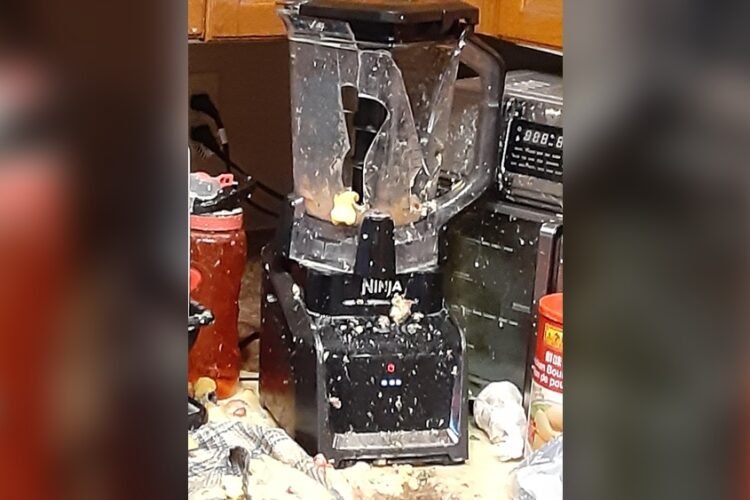
Have you ever wondered if your blender could actually explode? It might sound like something from a movie, but the truth is, under certain conditions, blenders—especially popular personal models like NutriBullet and Ninja—can create dangerous pressure build-ups that lead to sudden and violent bursts.
This isn’t just about a loud noise or a mess; it can cause serious injuries like cuts and burns. If you use a blender regularly, understanding why these explosions happen and how to prevent them is crucial for your safety.
Keep reading to learn what causes blender explosions, which brands are most affected, and simple steps you can take to protect yourself every time you blend. Your safety in the kitchen depends on it.
You May Like
No products found.
Blender Explosion Causes
Blender explosions can happen due to a few key causes. Understanding these reasons helps you use your blender safely. Most blender accidents involve pressure issues, mechanical failures, or flying parts. Each cause poses risks to users and can damage the appliance.
Pressure Buildup From Heat And Steam
Blenders create heat and steam during use. Hot or thick liquids produce steam inside the container. Pressure builds quickly under the lid. This trapped pressure can push the lid off or crack the jar. Sudden release of pressure causes an explosion effect. Always let hot liquids cool before blending. Avoid sealing the lid too tightly when blending hot foods.
Blade Assembly Detachment
The blade assembly connects tightly to the blender base. Over time, parts can loosen or wear out. High-speed blades create strong forces inside the jar. If the blade assembly detaches, it can fly out unexpectedly. This detachment damages the blender and may cause injury. Regularly check and maintain the blade unit. Replace worn or broken parts promptly.
Injuries From Flying Debris
Explosions or blade failures send glass or plastic shards flying. Flying debris can cause cuts or eye injuries. Hot contents can splash and burn skin. Injuries often happen when users stand too close or open the lid too quickly. Use caution when blending dense or hot ingredients. Keep your face and hands away from the jar during and after blending.
Brands With Explosion Reports
Several popular blender brands have faced reports of explosions. These incidents often involve sudden pressure buildup inside the blender jar. The pressure can cause the jar or lid to burst, sending fragments flying. Such events have led to injuries and legal action against manufacturers. Understanding the brands involved helps users stay informed and cautious.
Nutribullet Issues And Lawsuits
NutriBullet has had multiple explosion reports. Users experienced sudden jar detachment during blending. Pressure buildup inside the sealed container caused the lid to pop off violently. Some users reported cuts and burns from flying parts.
Lawsuits claim design flaws cause unsafe pressure buildup. Many complaints say warnings about hot or dense liquids are insufficient. NutriBullet has recalled certain models to address these issues. Users are advised to avoid blending hot liquids and to follow safety guidelines strictly.
Ninja Blender Incidents
Ninja blenders have also been linked to explosion reports. Some users noticed the blade assembly detach while blending. This detachment caused the jar to leak or shatter unexpectedly. Injuries from glass shards and blade cuts were reported.
Many incidents involved blending thick or frozen ingredients. Ninja has issued safety notices and recalled some product lines. Customers are urged to use recommended settings and avoid overfilling the jar. Proper maintenance and caution reduce the risk of accidents.
Risk Reduction Tips
Reducing the risk of blender explosions starts with safe habits. Simple steps can protect you from accidents and injuries. Follow these tips to keep blending safe and smooth.
Following Usage Instructions
Always read the user manual before using a blender. Use the blender only for the tasks it is designed for. Avoid overfilling the jar or blending very hard items. Stick to recommended blending times and speeds. Proper use lowers the chance of pressure buildup or damage.
Avoiding Hot Liquids
Hot liquids can create steam and cause pressure inside the blender. Let hot foods cool before blending to avoid sudden explosions. If you must blend warm liquids, do it in small amounts. Open the lid carefully, away from your face, to prevent burns from steam or splashes.
Monitoring Recalls
Check for recalls on your blender model regularly. Manufacturers recall blenders with safety defects or explosion risks. Use only models with good safety records. Register your blender with the maker to get update alerts. Staying informed helps you avoid dangerous products.
Handling With Care
Handle your blender gently to prevent damage. Avoid dropping or knocking the appliance. Clean the blender carefully, especially the blade assembly. Damaged parts increase explosion risk. Replace worn or cracked containers and blades promptly for safe use.
Common Blender Failures
Blenders are common kitchen tools but can face issues that affect performance. Understanding common failures helps prevent accidents and prolongs blender life. Some failures result from user mistakes, others from wear or damage.
Overloading And Strain
Putting too many ingredients in a blender causes overloading. The motor works harder to blend thick or frozen items. This extra strain can damage the motor or blades quickly.
Overloading may also cause the blender to stop suddenly or make strange noises. Continuous strain weakens parts, increasing the risk of leaks or blade detachment. Always follow capacity limits to avoid these problems.
Accidental Damage Effects
Dropping or bumping a blender can harm its components. Cracks in the jar or base reduce safety and efficiency. Damage to seals allows liquids to leak into the motor.
Even small impacts can misalign blade assemblies. This causes poor blending and can lead to blade breakage or detachment. Handle blenders carefully to maintain their condition and prevent hazards.
Safety Precautions When Blending
Blending can be quick and easy, but safety is very important. Blenders can sometimes cause accidents if you are not careful. Taking simple safety steps lowers the risk of injury. This section explains how to stay safe while blending.
Opening Lid Safely
Never open the blender lid immediately after blending. Hot steam or ingredients can shoot out fast. Always turn off the blender and wait a few seconds. Open the lid slowly and away from your face. This prevents burns or cuts from sudden splashes.
Cooling Hot Ingredients
Hot liquids create pressure inside the blender. This can cause the lid to pop off or the container to crack. Let hot ingredients cool down before blending. Stir them to release some heat. Use short blending bursts instead of long runs.
Using Proper Containers
Use containers made for your blender model. Avoid glass jars not designed for high speed or heat. Plastic containers should be BPA-free and durable. Check for cracks or damage before each use. A strong container reduces the risk of breaking or exploding.

Credit: www.reddit.com
Frequently Asked Questions
What Are The Dangers Of Blenders?
Blenders can cause burns, cuts, and flying debris from blade detachment or container explosion. Pressure buildup from heat or dense liquids poses risks. Overfilling and blending hot items increase danger. Some models have reported design flaws leading to injuries. Always follow safety instructions and avoid hot liquids.
Can A Blender Catch On Fire?
Yes, blenders can catch fire due to motor overheating or electrical faults. Avoid overloading and follow safety guidelines.
How To Make An Explosion Effect In Blender?
Create an explosion effect in Blender by adding a smoke domain, enabling Quick Smoke, and adjusting the domain size. Then, use an emission object as the explosion source and tweak smoke and particle settings for realism.
What Causes A Blender To Break?
Blenders break due to overloading, blending hard or frozen items, or accidental drops. Excess strain causes wear on coupling parts.
Conclusion
Blender explosions are rare but possible with certain risks. High pressure inside sealed containers causes most accidents. Hot or dense liquids increase the danger. Always follow safety tips when blending. Never overfill or blend hot foods without caution. Open lids slowly, away from your face.
Using the right blender for your needs helps prevent problems. Stay alert and maintain your blender properly. Safe blending means fewer accidents and a better kitchen experience.