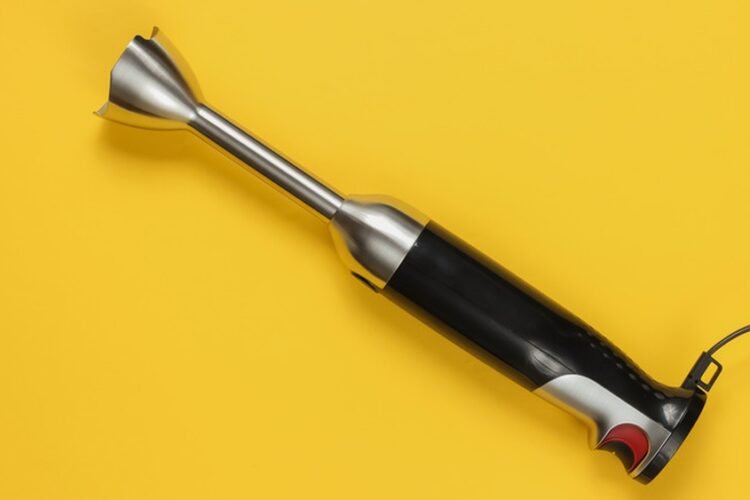
Are you wondering if your hand blender can crush ice as easily as a regular blender? If you’ve ever tried to make a frozen smoothie or icy cocktail, you know how important crushed ice is for the perfect texture.
But before you toss those ice cubes into your hand blender, it’s smart to know whether it can handle the job without breaking or dulling the blades. You’ll discover the truth about using hand blenders for crushing ice, how to protect your device, and the best alternatives if yours isn’t built for the task.
Keep reading to make sure your next icy treat is a success without damaging your kitchen tool!
You May Like
No products found.
Ice Crushing Basics
Crushing ice is a common task in many kitchens. It helps create refreshing drinks and smooth textures in recipes. Knowing the basics of ice crushing can improve results and protect your tools.
Not all ice is the same, and using the right kind is important. Also, understanding why you crush ice helps you use your hand blender effectively.
Why Crush Ice
Crushing ice cools drinks quickly without watering them down fast. It also adds texture to cocktails and smoothies. Many recipes call for crushed ice to blend flavors better. Crushed ice melts faster and chills evenly.
Using crushed ice can make your drinks look more appealing. It is easier to chew and can make hot days more enjoyable. Some desserts need crushed ice to get the perfect consistency.
Types Of Ice For Crushing
Ice cubes are the most common type used for crushing. They are solid and freeze evenly. Large cubes work best with strong blenders or hand blenders with powerful blades.
Crushed ice or smaller cubes crush faster and blend easier. Shaved ice is very fine and often used in cold desserts. Avoid using very hard or thick ice blocks with hand blenders.
Soft ice is easier to crush but melts quickly. Choose the ice type based on your blender’s strength and the recipe needs. Using the wrong ice can damage your hand blender or spoil the texture.
Hand Blender Capabilities
Hand blenders are popular kitchen tools for quick mixing and blending tasks. They handle soft foods easily. But crushing ice is a different challenge. Understanding their capabilities helps you use them correctly. It also protects your blender from damage.
This section explains design limits and motor power. It also covers blade types that affect ice crushing.
Design Limitations
Hand blenders are small and lightweight. Their size limits the strength of their parts. The blending shaft and blades are not built for hard, frozen items. Ice cubes can dull or bend the blades quickly.
Using a hand blender on ice may cause motor strain. Some models lack a sturdy housing to support tough tasks. Overheating can happen if you push too hard or blend too long.
Motor Power And Blade Types
Most hand blenders have motors between 200 to 600 watts. This power suits soft fruits and liquids. Crushing ice needs higher power, usually over 700 watts, to break frozen chunks effectively.
Blade design matters a lot. Straight blades work well for blending but struggle with ice. Serrated or multi-pronged blades handle hard items better. They cut ice more efficiently and reduce motor load.
Some hand blenders come with special attachments for chopping ice. Check your model for these features before trying to crush ice.
Can Hand Blenders Crush Ice?
Can hand blenders crush ice? Many wonder if these compact tools handle this tough task. Hand blenders are popular for smoothies and soups, but ice crushing is a different challenge. The answer depends on the blender’s power and design. Some models can crush ice, while others may struggle or get damaged. Understanding the limits helps you use your hand blender safely and effectively.
Common Challenges
Crushing ice with a hand blender is not easy. Most hand blenders have less power than traditional blenders. Ice is hard and can dull or break the blades. The motor may overheat if used for long on tough ice. Some hand blenders lack the right blade design for crushing ice. This can cause uneven crushing or damage. Using the wrong attachment can also harm the device.
Manufacturer Recommendations
Check your hand blender’s manual before crushing ice. Manufacturers often advise against it for some models. Some hand blenders come with special “ice crush” settings or attachments. Follow their guidelines to avoid damage. Use short bursts or pulse mode to reduce strain. Adding a bit of water helps blades move smoothly. If unsure, use a traditional blender for ice crushing.
Best Practices For Crushing Ice
Crushing ice with a hand blender requires care and the right methods. Following best practices helps protect your appliance and achieve the perfect ice texture. Use proper tools, add liquids, and control the blending speed. These steps make ice crushing easier and safer.
Using The Right Attachments
Choose the attachment designed for tough ingredients. A chopper or blade accessory works best for ice. Avoid using the whisk or standard blending stick. Using the wrong part can damage the motor or blades. Check your hand blender manual for recommended attachments.
Adding Liquids For Better Blending
Pour a small amount of water or juice with the ice cubes. Liquids help the blades move smoothly and reduce strain. They also prevent the ice from sticking together. Add just enough to cover the ice halfway. This helps create a fine, even crush.
Pulse Technique For Control
Use short bursts of blending instead of running the blender continuously. Pulsing breaks the ice into smaller pieces carefully. It stops the ice from turning into slush too quickly. Pause between pulses to check the texture. This method gives more control and protects your hand blender.
Alternatives To Hand Blenders
Hand blenders have limits when it comes to crushing ice. Many models do not have strong motors or the right blades to break hard ice cubes. For better results and less risk of damage, consider other tools designed for ice crushing. These alternatives handle ice more efficiently and last longer.
Countertop Blenders
Countertop blenders are a common choice for crushing ice. They have powerful motors and sharp blades made to handle hard ingredients. Many come with an “ice crush” setting to protect the motor and blades. These blenders can crush ice into fine or coarse pieces quickly. They also work well for smoothies, soups, and sauces.
Choose a blender with at least 500 watts for best ice crushing. Always add some liquid to help the blades move freely. Use short pulses to avoid overheating the motor. Countertop blenders are a safe and effective way to crush ice at home.
Manual Ice Crushing Methods
Manual methods do not need electricity and are simple to use. A sturdy ice crusher tool can break ice cubes by hand. These tools have sharp teeth or blades and a crank or lever to crush ice. They work well for small amounts of ice and do not risk motor damage.
You can also use a heavy kitchen mallet or rolling pin. Place ice cubes in a thick plastic bag or towel. Hit gently to break ice into smaller pieces. This method takes more effort but works in a pinch. Manual crushing is quiet and gives control over ice size.
Protecting Your Hand Blender
Protecting your hand blender is key for long-lasting use. Crushing ice can be tough on this tool. Taking care helps avoid costly repairs. Follow simple steps to keep your blender safe and working well.
Avoiding Blade Damage
Ice is hard and can dull blades quickly. Use short bursts instead of continuous blending. This reduces stress on the blades. Check the blade condition often. Replace blades if they become dull or bent.
Preventing Motor Overload
Blending ice can strain the motor. Start with small amounts of ice and liquid. This eases the motor’s workload. Pause regularly to let the motor cool down. Avoid running the blender for too long at once.
Tips For Perfect Ice Texture
Getting the perfect ice texture is key for many recipes and drinks. The right crushed ice can chill your beverage quickly and add a pleasing crunch. Using a hand blender to crush ice requires some care and technique. Follow these tips to achieve the best results every time.
Checking Consistency
Stop blending often to check the ice texture. Pulse the hand blender in short bursts. This helps avoid turning ice into water or slush. Look for small, even pieces. If pieces are too large, blend a little more. If the ice is too fine, add some bigger chunks back and pulse again. Consistency depends on your recipe and preference.
Using Ice In Cocktails And Drinks
Crushed ice cools drinks faster than cubes. Use crushed ice to make cocktails like mojitos or margaritas. It blends well with spirits and mixers. The small ice pieces melt slower, keeping drinks fresh longer. Avoid blending too long to prevent watery drinks. Add crushed ice just before serving for the best taste and texture.
Credit: www.foodrepublic.com
Frequently Asked Questions
Will A Hand Blender Blend Ice?
Hand blenders generally cannot blend ice effectively. They may damage blades or motor. Use a high-powered blender for ice.
Can You Crush Ice With A Blender?
Yes, blenders can crush ice effectively. Use the pulse function and add some liquid for smooth crushing. High-powered blenders work best. Avoid crushing ice with hand blenders or low-powered models to prevent damage. Always follow your blender’s guidelines for ice crushing.
Can A Portable Blender Crush Ice?
Portable blenders can crush small ice pieces if designed with powerful motors and sharp blades. Check your model’s specifications. Avoid crushing large ice cubes to prevent damage. For best results, use blenders with an “Ice Crush” setting or opt for high-powered countertop blenders.
Can You Crush Ice With A Hand Mixer?
You should not crush ice with a hand mixer. It dulls blades and strains the motor. Use a blender designed for ice instead.
Conclusion
Hand blenders can sometimes crush small ice pieces, but not all models do well. Stronger blenders with an “ice crush” feature handle ice better and last longer. Using the wrong attachment or too much ice can damage your hand blender.
Always check the manual before trying to crush ice. For regular ice crushing, a high-powered blender often works best. Choose the right tool to keep your kitchen gear safe and efficient.