Are blenders dangerous? If you’ve ever wondered whether that trusty kitchen gadget could pose hidden risks, you’re not alone.
While blenders make your life easier by whipping up smoothies, soups, and sauces in seconds, they also come with sharp blades and powerful motors that can cause serious injuries if you’re not careful. But it’s not just cuts you should worry about—plastic parts, overheating, and even spills can turn your blender into a safety hazard.
Keep reading to discover the real dangers behind blenders and how you can use yours safely every day. Your health and safety depend on knowing what to watch out for.
You may Like
No products found.
Blender Hazards
Blenders are common in many kitchens, but they carry certain risks. Understanding these hazards can help prevent injuries. Knowing what dangers exist makes using blenders safer for everyone.
This section explains the main hazards linked to blenders. Each point highlights a specific risk to watch out for.
Sharp Blades Risks
Blender blades are very sharp and spin fast. Touching them can cause deep cuts easily. Always keep hands and fingers away from the blades. Use tools or utensils designed for cleaning to avoid injury.
Electric Shock Dangers
Blenders run on electricity, creating a shock risk. Water near the power cord or plug increases danger. Always unplug the blender before cleaning or fixing. Check cords for damage and avoid using wet hands to operate.
Burns From Hot Liquids
Blending hot liquids can cause splashes and burns. Steam may also escape when the lid is off. Let hot ingredients cool before blending. Use a towel to cover the lid for extra protection.
Slip And Fall Hazards
Spills from blended drinks or soups create slippery floors. These spills can cause falls and serious injuries. Clean up any spills immediately. Keep the blender area dry and clutter-free to stay safe.
Health Concerns
Blenders are common in many kitchens. They help make smoothies, soups, and sauces quickly. Yet, some health concerns come with using blenders daily. These concerns often relate to the materials used and how well the blender is cleaned.
Toxic Plastic Exposure
Many blenders have plastic parts that touch food. Some plastics contain chemicals that can harm health. These chemicals may leak into food, especially when the blender heats up. Using blenders with BPA-free or food-safe plastics reduces this risk.
Chemical Release Over Time
Plastic and rubber parts can break down after long use. Heat and friction during blending speed this process. Over time, chemicals may release into food without notice. Regularly checking and replacing worn parts keeps food safe.
Bacterial Contamination
Blenders have many small crevices that can trap food bits. If not cleaned well, bacteria can grow in these areas. Bacteria may cause foodborne illness or spoil the taste of food. Cleaning blenders immediately after use helps prevent bacterial build-up.
Blender Types And Safety
Blenders come in many types, each with its own safety concerns. Understanding these types helps reduce risks during use. Safety depends on the design, materials, and power of the blender. Simple precautions can prevent common accidents.
Knowing the differences between blender types guides safe handling and maintenance. Let’s explore plastic vs glass jars, high-power blenders, and handheld blenders.
Plastic Vs Glass Jars
Plastic jars are lighter and less likely to break if dropped. They may scratch easily and can hold odors or stains. Some plastics may release chemicals when exposed to heat or harsh foods.
Glass jars are heavier but more durable against stains and smells. They resist heat better and do not release toxins. The risk is breaking if dropped or handled roughly. Use care to avoid cracks that can cause leaks or injury.
High-power Blenders
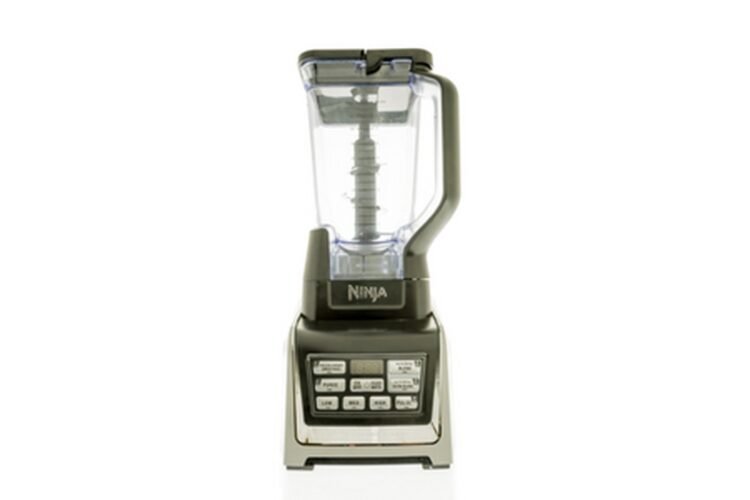
High-power blenders can crush ice, nuts, and even bones. Their fast blades pose a higher risk of cuts and injuries. These blenders generate more heat, so avoid blending hot liquids without caution.
Always secure the lid tightly and keep hands away from blades. Use pulse functions to control blending and prevent overheating. Unplug the blender before cleaning or removing stuck items.
Handheld Blenders
Handheld blenders offer flexibility and easy storage. Their blades are exposed, so users must be extra careful. Never touch the blades while the blender is running.
Keep the device away from water to prevent electric shocks. Always unplug before cleaning or changing attachments. Use the blender on stable surfaces and hold it firmly during use.
Common Blender Accidents
Blenders are common in many kitchens, but accidents do happen. Knowing the usual risks helps keep you safe. Many blender accidents come from simple mistakes or worn parts. Understanding these common issues can prevent injuries and damage. Here are the main types of blender accidents to watch for.
Blade Injuries
Blender blades are very sharp and spin fast. Touching them can cause cuts or serious wounds. Always unplug the blender before cleaning or fixing it. Avoid putting your hand inside the jar while the blades move. Use tools like spatulas to push food down instead.
Overheating Issues
Blenders can overheat if used too long without breaks. Overheating may cause the motor to stop or even catch fire. Avoid running the blender continuously for several minutes. Let it cool down between uses to protect the motor and prevent accidents.
Malfunctioning Components
Parts like switches, cords, or the jar can wear out or break. Faulty components may cause electric shocks or the blender to stop working. Check your blender regularly for cracks or frayed wires. Replace damaged parts right away to avoid danger.
Preventive Measures
Preventive measures reduce risks linked to blender use. Proper care and attention keep you safe. Follow simple steps to avoid injuries or damage. Safety starts with knowing how to handle and maintain your blender.
Proper Cleaning Techniques
Clean the blender after every use. Unplug it before cleaning to avoid accidents. Remove the jar and blades carefully. Wash with warm, soapy water and a soft sponge. Avoid harsh brushes that can damage parts. Rinse thoroughly to remove soap residue. Dry all parts completely before reassembling. This prevents mold and bacterial growth.
Safe Usage Practices
Always read the user manual before operating. Never put hands or utensils inside while running. Use the lid to prevent splashes and spills. Avoid overfilling the blender jar. Cut large pieces into smaller chunks first. Start blending at low speed and increase gradually. Keep the blender on a stable surface during use. Turn off and unplug before removing the jar.
Regular Maintenance Tips
Check blades regularly for dullness or damage. Replace blades if they become dull or bent. Inspect the power cord for frays or cuts. Tighten loose screws or parts to avoid leaks. Lubricate moving parts if the manual suggests it. Store the blender in a dry, clean place. Schedule professional servicing if unusual noises or problems arise.
Myths And Facts
Blenders have become a staple in many kitchens. Myths and facts about their safety often confuse users. Understanding the truth helps use blenders confidently and safely. Here are some common beliefs and the realities behind them.
Jumping Out Of A Blender
Some imagine a tiny person trapped inside a blender. Can they jump out before it starts? Physics suggests it might be possible in theory. The spinning blades create a strong force. But human bodies cannot withstand such motion. The idea sounds fun but is not realistic. It is a myth born from cartoons and movies.
Bone Crushing Capabilities
High-power blenders can crush hard items. They can grind small bones for pet food or recipes. This shows their strong blades and motor. Still, they are not designed for large or thick bones. Attempting to blend big bones can damage the machine. Using the right blender and adding liquids helps protect it. This fact proves blenders are powerful but must be used carefully.
Real Vs Exaggerated Dangers
Blenders have sharp blades and fast motors. These parts can cause cuts or accidents if handled wrongly. Spills and hot liquids may add risks like burns or slips. Many dangers come from careless use or faulty parts. Manufacturers include safety features to reduce risks. Most dangers are real but often exaggerated. Proper use and maintenance keep blenders safe for daily use.

Credit: www.youtube.com
Frequently Asked Questions
What Are The Hazards Of Using A Blender?
Blenders pose hazards like cuts from sharp blades, burns from hot liquids splashing, and electric shocks if faulty. Slippery floors may cause falls. Overheating can release toxins from plastic parts. Always handle with care and follow safety instructions to avoid injuries and health risks.
Is A Blender Safe To Use?
Blenders are safe if used correctly and maintained well. Avoid contact with blades and hot liquids. Always follow manufacturer instructions.
Can A Blender Crush Bones?
High-power blenders can crush small bones, especially in raw pet food preparation. Use caution and add liquids for smooth blending. Avoid blending large or hard bones to prevent damage or injury.
Could You Jump Out Of A Blender?
Jumping out of a blender is theoretically possible but highly unlikely due to human size and physiology limits. The blades and confined space make escape dangerous.
Conclusion
Blenders have sharp blades and powerful motors. They can cause cuts or injuries if handled carelessly. Hot liquids may splash and cause burns during blending. Choosing a good quality blender reduces risks significantly. Always follow safety instructions and never leave blenders unattended.
Clean blenders carefully to avoid damage and accidents. Using blenders properly keeps your kitchen safe and efficient. With caution, blenders remain useful tools without being dangerous. Stay aware and blend smartly every time.