Are you wondering if your KitchenAid blender can be tossed into the dishwasher for easy cleaning? You’re not alone.
Knowing which parts of your blender are dishwasher safe can save you time and protect your appliance from damage. You’ll discover exactly which components of your KitchenAid blender can go in the dishwasher—and which ones need a gentler touch. Keep reading to learn simple tips that will keep your blender spotless and working perfectly for years to come.
You May Like

- 1700 Watts Peak Power* *Laboratory measurement of peak input wattage, not…
- Customize your batch with 68 oz (2L) plastic jar for making plenty at once,…
- Take along one of the two 16 oz (500 mL) Personal Blender Jar for on-the-go…
- Take control of your blends with an asymmetric blade design and variable…

- Blending is a breeze with the 3 part blending system, made of the blender’s…
- Quickly blend and take on notoriously tough ingredients like kale and…
- Self-clean cycle for easy clean-up – just add water and a drop of soap to…
- Easily create a range of textures with the variable speed dial, from smooth…

- Crush ice in less than 10 seconds* and achieve your ideal taste, texture…
- 3 optimally-designed speeds for your perfect blend, plus an Ice-crush…
- Soft Start feature starts at the right speed – the motor automatically…
- Intelli-Speed motor control automatically senses contents and maintains the…
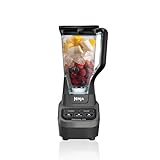
- PROFESSIONAL POWER: 1000 watts of professional power can crush ice and…
- XL CAPACITY: The 72 oz professional blender pitcher is excellent for making…
- INTELLIGENT TECHNOLOGY: Total Crushing Technology delivers unbeatable power…
- ICE CRUSHING: Blast ice into snow in seconds and blend your favorite…
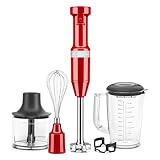
- Removable 8″ blending arm with 4-point stainless steel blade quickly blends…
- Take control over your recipes with the easy-to-use variable speed trigger…
- US patented removable pan guard to help protect your cookware when blending
- Whisk attachment to quickly whip egg whites to fluffy peaks and cream, or…
Dishwasher Safe Blender Parts
Many KitchenAid blender parts are designed for easy cleaning. Knowing which pieces are dishwasher safe saves time and effort. It also helps keep your blender in good shape for years. This section explains the dishwasher safety of key blender parts.
Jars And Lids
KitchenAid blender jars and lids are mostly dishwasher safe. The jars, usually made of glass or durable plastic, can go in the dishwasher. Place them on the top rack to avoid heat damage. Lids are also safe to clean in the dishwasher. Check for any rubber seals and remove them if needed to avoid wear.
Blade Assembly
The blade assembly is usually dishwasher safe, but caution is needed. Remove the blade carefully before placing it in the dishwasher. It is best to put it on the top rack to prevent dulling. Some models recommend hand washing the blades to keep them sharp and prevent damage.
Dishwasher Rack Placement
Placing blender parts in the correct dishwasher rack is important. Always put jars, lids, and blades on the top rack. The bottom rack exposes parts to higher heat and water pressure, which may cause damage. Proper placement ensures thorough cleaning without harming your blender parts.
Blender Base Care
The blender base is the heart of your KitchenAid blender. It holds the motor and controls the blending speed. Proper care of the blender base keeps it working well and lasting longer.
Cleaning the base needs attention. Avoid harsh methods that might damage it. Understanding how to care for the blender base helps you keep it safe and clean.
Why Avoid Dishwasher
The blender base should never go in the dishwasher. Water can enter the electrical parts and cause damage. The heat and strong detergents can ruin the finish. Dishwasher cycles are too harsh for the base’s motor and buttons. Hand cleaning is the safest way to protect the base.
Proper Cleaning Methods
Use a damp cloth to wipe the blender base after each use. For stubborn stains, add a little mild soap to the cloth. Avoid soaking or spraying water directly on the base. Dry the base fully with a soft towel. Keep the buttons and motor area dry to prevent issues. Regular wiping keeps the base clean and working well.
Hand-wash Only Components
Some parts of KitchenAid blenders need gentle care. These parts are labeled as hand-wash only. Cleaning them by hand keeps the blender working well. It also stops damage from harsh dishwasher cycles. Understanding which parts require hand washing helps you maintain your blender’s quality and lifespan.
Motor Housing
The motor housing is the blender’s main body. It holds the motor and controls. This part should never go in the dishwasher. Water and heat can damage the electrical parts inside. Use a damp cloth to wipe the motor housing clean. Avoid using too much water to protect the motor from moisture.
Seals And Gaskets
Seals and gaskets keep the blender jar leak-proof. These small rubber or silicone parts need careful cleaning. Dishwashers can wear out seals and gaskets quickly. Hand wash them with warm soapy water to keep them soft and flexible. Rinse well and dry before putting them back in the blender.
Step-by-step Cleaning Process
Cleaning your KitchenAid blender properly keeps it working well and extends its life. Follow these simple steps to clean all parts safely. Some parts can go in the dishwasher, while others need gentle hand washing. This guide helps you clean your blender correctly every time.
Disassembling Blender Parts
Start by unplugging the blender. Remove the jar from the base carefully. Take off the lid and any removable gasket or blade assembly. Separate all parts that come apart easily. Check each piece for dishwasher safety before cleaning.
Dishwasher Loading Tips
Place dishwasher-safe parts on the top rack only. Avoid crowding to allow water to reach all surfaces. Position lids and small pieces securely to prevent them from moving. Use a gentle cycle to protect the parts from damage.
Manual Wiping Techniques
Use a soft cloth or sponge with warm, soapy water. Clean the blender base by wiping it gently; never submerge it in water. For stubborn spots, use a soft brush to scrub carefully. Dry all parts thoroughly before reassembling the blender.
Common Cleaning Mistakes
Cleaning your KitchenAid blender is essential for maintaining its performance and hygiene. Many users make common cleaning mistakes that can harm the blender’s parts. These errors often reduce the blender’s lifespan and efficiency. Understanding these mistakes helps you keep your blender in top shape. Below are key tips to avoid damage during cleaning.
Avoiding Damage To Seals
Blender seals are delicate and easy to damage. Avoid soaking the blender base or seals in water. Do not put the base in the dishwasher. Instead, wipe it carefully with a damp cloth. After washing, dry the seals thoroughly to prevent mold and leaks. Check seals regularly for cracks or wear. Replace seals if you notice any damage to maintain a tight fit.
Preventing Blade Dullness
Blades lose their sharpness with rough cleaning. Avoid using abrasive scrubbers or harsh chemicals on the blades. Hand wash blades gently using a soft sponge and mild soap. Rinse them immediately to stop corrosion. Never put the blades in the dishwasher’s bottom rack. This can dull the blades quickly and reduce blending power.
Maintaining Blender Performance
Maintaining your KitchenAid blender’s performance requires proper care and attention. Regular cleaning and correct storage keep the blender running smoothly for years. Simple habits prevent buildup and damage to the parts.
Regular Cleaning Schedule
Clean the blender after each use to avoid residue buildup. Detach the jar, lid, and blades for washing. Most KitchenAid blender jars, lids, and blades are dishwasher safe. Place them on the top rack to prevent damage.
Wipe the blender base with a damp cloth only. Never immerse the base in water or place it in the dishwasher. This prevents electrical damage and maintains motor function. A consistent cleaning schedule ensures the blender stays fresh and works well.
Storage Recommendations
Store the blender in a dry, cool area to protect its parts. Avoid placing it near heat sources or in direct sunlight. Keep the jar and lid assembled to prevent dust from entering.
Ensure the blades are dry before storage to stop rusting. If storing for a long time, clean the blender thoroughly first. Proper storage extends the life of your KitchenAid blender and its performance.
Additional Tips For Tough Stains
Stubborn stains can be tricky to remove from your KitchenAid blender parts. These marks may not come off with regular washing or even in the dishwasher. Using extra care and special cleaning methods can help keep your blender looking new. Below are some effective tips to tackle those tough stains and maintain your blender’s quality.
Soaking And Scrubbing
Start by soaking the stained parts in warm, soapy water. Let them sit for 15 to 30 minutes to loosen residue. After soaking, use a soft sponge or brush to scrub the stains gently. Avoid abrasive scrubbers that can scratch the surface. Focus on areas around the blade and corners where food often sticks. Rinse thoroughly with clean water to remove soap and loosened debris.
Using Natural Cleaners
Natural cleaners offer a safe way to remove tough stains without harsh chemicals. Mix equal parts of white vinegar and water in the blender jar. Let it sit for 10 minutes to break down stains and odors. Baking soda also works well; sprinkle it on the stained areas, then scrub gently with a damp cloth. These natural ingredients help lift stains and freshen the blender parts. Rinse well before drying or placing parts back together.
Frequently Asked Questions
Can I Put A Kitchenaid Blender In The Dishwasher?
KitchenAid blender jars and lids are dishwasher safe. Always place them on the top rack. Clean the blender base by hand only. Avoid dishwasher use on electrical components to prevent damage.
Can I Put A Kitchenaid Mixer In The Dishwasher?
Most KitchenAid mixer bowls and coated or stainless steel attachments are dishwasher safe on the top rack. Avoid dishwasher use for uncoated aluminum tools, wire whips with aluminum hubs, and copper bowls. Always hand-wash these parts to prevent damage and discoloration.
Wipe the main mixer body with a damp cloth only.
Can Blender Parts Go In The Dishwasher?
Blender jars, lids, and blades are usually dishwasher safe. Avoid placing the blender base in the dishwasher. Always check the manufacturer’s instructions for specific parts. Hand wash the base to prevent damage. Use the top rack for dishwasher-safe components to ensure longevity.
Which Kitchenaid Attachments Are Not Dishwasher Safe?
Uncoated aluminum attachments, especially wire whips with aluminum hubs, and copper bowls are not dishwasher safe. Hand wash these to avoid damage and discoloration.
Conclusion
KitchenAid blender jars and lids are dishwasher safe for easy cleaning. Always place them on the top rack to avoid damage. Avoid putting the blender base in the dishwasher; wipe it clean with a damp cloth. Check your specific model’s manual to confirm dishwasher safety.
Proper care helps your blender last longer and work better. Simple steps keep your KitchenAid blender clean and ready to use.