Can blenders make juice? If you’ve ever wondered whether your trusty blender can double as a juicer, you’re not alone.
You might think that without a fancy juicer, fresh juice at home is out of reach. But here’s the good news: your blender can actually help you create delicious, fresh juice with just a few simple steps. Imagine enjoying vibrant, nutrient-packed juice anytime you want, without the extra cost or clutter of specialized equipment.
Ready to discover how to turn your blender into a juice-making powerhouse? Keep reading, and you’ll learn easy tips and tricks to make juice that tastes great and fuels your day.
You May Like

- 【High Speed & Efficient Mixing】 Our smoothie blender is equipped with 6…
- 【Health & Safety Materials】This personal blender is made of carefully…
- 【Rinse With Ease】 Don’t worry about the small blender being difficult…
- 【Portable Design】 The travel blender is lightweight and compact, the…

- Elegant Design with Easy Cleaning: Our juicer features an elegant hand-held…
- Protective Design: The cup and machine use a clutch transmission mode for…
- One-touch Powerful Start: Despite its small size, our personal blender…
- Included Accessories and Gifts: The juicer comes with ice cube molds, a…

- 【Safety & Food-Grade Six Blades 】- – DoubleCare Juicer cup is made of…
- 【Smart Safety Protection System】–DoubleCare portable blender is…
- 【380ml USB Safety Charge】–The USB juicer cup equipped with 2000mAh…
- 【Portable and Widely Application】–Portable Blender Cup is great for…

- UPGRADED 8-BLADE POWER: Equipped with upgraded 8 sharp 304 stainless steel…
- SMART LED DISPLAY & USB-C : The smart LED screen clearly shows battery…
- MAGNETIC SAFETY LOCK SYSTEM: This small blender designed with a magnetic…
- PORTABLE EXTRA LID: Comes with an extra handle lid so your blender doubles…

- 4 Blades Design: The portable blender for milkshakes and smoothies has a…
- Travel Lid: We equipped the mini blender with one more bottom cover , after…
- Easy to Clean and Operation: The personal blender can be opened up and…
- Food-Grade Material: Small USB blender uses food-grade non-toxic and…
Blenders Vs Juicers
Choosing between a blender and a juicer depends on what kind of juice texture you prefer and how you want to use your fruits and vegetables. Both machines break down produce but in different ways. Understanding their functions helps you pick the right tool for fresh juice at home.
How Blenders Work
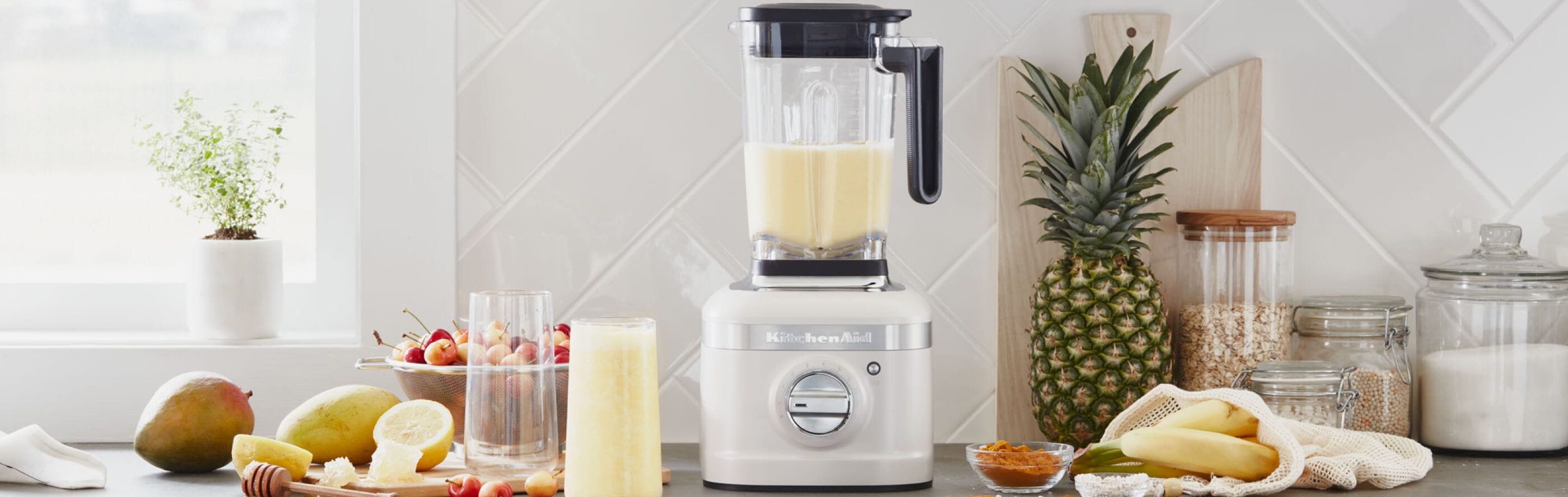
Blenders use sharp blades to chop and crush fruits and vegetables. They spin at high speeds to create a smooth mixture. This process keeps the fiber and pulp in the juice. The result is a thicker drink, often called a smoothie. You can strain the mixture if you want a thinner juice.
Juicer Mechanism
Juicers extract liquid by separating juice from pulp. They use either a spinning blade or slow pressing. Centrifugal juicers spin fast and push juice through a screen. Masticating juicers crush and press produce slowly for more juice. The juice is clearer and smoother, with little to no pulp.
Differences In Juice Texture
Blender juice is thick and full of fiber. It feels creamy and filling. Juicer juice is thin and smooth. It tastes lighter and is easier to drink quickly. The choice depends on whether you want more fiber or a crisp, clear juice. Both have nutrients but different mouthfeels.
Credit: www.kitchenaid.ca
Making Juice With A Blender
Making juice with a blender is simple and cost-effective. A blender can turn fruits and vegetables into fresh juice quickly. Unlike a juicer, a blender blends everything, so straining is needed for smooth juice. This method works well for soft and juicy produce. It lets you control the ingredients and avoid added sugars or preservatives.
Choosing The Right Fruits And Vegetables
Select fruits and vegetables with high water content. Oranges, cucumbers, and watermelon are great choices. Leafy greens like spinach and kale add nutrients. Avoid very hard or dry produce unless you have a strong blender. Fresh and ripe ingredients yield the best flavor and juice.
Preparing Ingredients
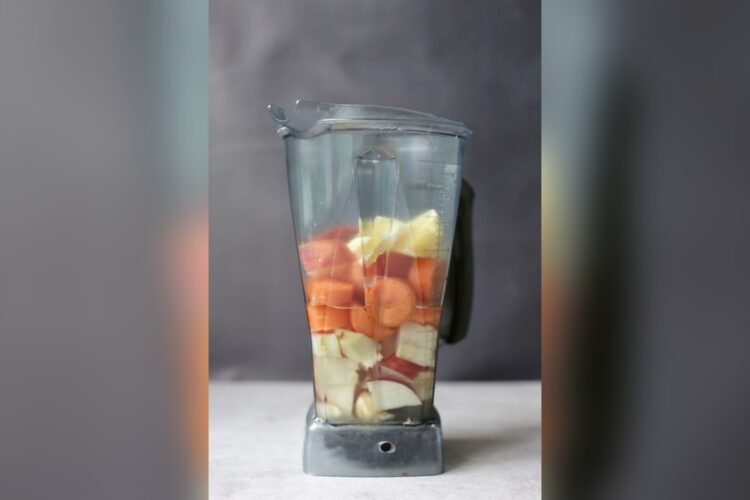
Wash all fruits and vegetables thoroughly. Peel citrus fruits to remove bitterness. Remove seeds and cores to avoid bitterness and damage to the blender. Cut produce into small pieces for easier blending. Adding a little water helps the blades move smoothly.
Blending Process
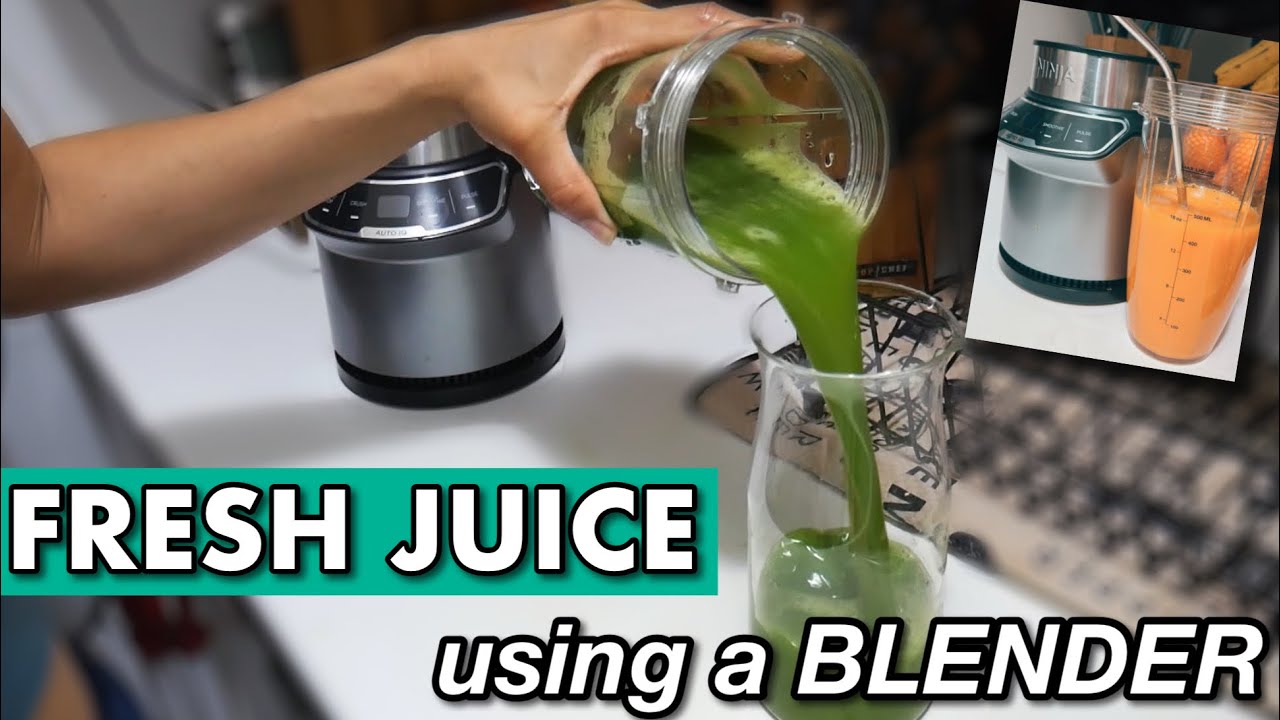
Place the prepared ingredients in the blender jar. Start blending on low speed, then increase to high. Blend until smooth, about 30 seconds to 1 minute. Pour the mixture through a fine mesh sieve or cheesecloth. Use a spoon to press and extract as much juice as possible. Discard or save the pulp for recipes. Serve the fresh juice immediately or chill before drinking.
Straining For Smooth Juice
Straining is key for smooth juice made in a blender. Blending breaks down fruits and vegetables into a thick mix. This mix includes pulp, fiber, and juice. To enjoy clear, smooth juice, you need to remove the pulp. Straining helps separate the liquid from the solids. It makes the juice easier to drink and more like store-bought juice.
Tools For Straining Juice
Several tools work well for straining juice from a blender. A fine mesh sieve is simple and easy to find. Cheesecloth is soft and catches even small pulp pieces. Nut milk bags are reusable and great for squeezing out juice. Each tool filters pulp effectively, leaving smooth juice behind. Choose one that fits your kitchen and juice style.
Techniques To Remove Pulp
Pour the blended mix slowly into your chosen strainer. Use a spoon or spatula to press the pulp gently. For nut milk bags, gather the bag and squeeze firmly. This pushes out more juice and leaves dry pulp inside. Repeat straining if needed for extra smoothness. Patience during straining improves juice quality and texture.
Tips For Clearer Juice
Start with fresh, ripe fruits and vegetables for better juice. Use cold water or ice to thin the blend slightly before straining. Blend in short bursts to avoid heating the juice. Chill juice after straining to enhance clarity and flavor. Store juice in airtight containers to keep it fresh longer.
Credit: www.kitchenaid.com
Best Blenders For Juicing
Choosing the best blender for juicing can improve your homemade juice experience. Not all blenders handle fruits and vegetables the same way. Some models work better with soft produce, while others can crush harder items like carrots or beets. Understanding the types of blenders and their features helps you pick the right one for your juicing needs.
High-powered Blenders
High-powered blenders have strong motors and sharp blades. They crush tough fruits and vegetables easily. These blenders produce smoother juice with less pulp. Brands like Vitamix and Blendtec fall into this category. They handle leafy greens, nuts, and fibrous vegetables well. Using a high-powered blender means less straining after blending. The juice comes out cleaner and more enjoyable.
Budget-friendly Options
Budget-friendly blenders work well for soft fruits and simple juices. They have lower motor power but still blend common produce like berries or oranges. These blenders cost less and are easy to use. They may not handle hard vegetables or leafy greens as well. Straining pulp might take more effort with budget blenders. Still, they offer a good start for beginners on a budget.
Blender Features To Consider
Look for blenders with variable speed settings. This helps control blending texture. A large pitcher size is useful for making more juice at once. Durable blades made from stainless steel last longer and blend better. Easy-to-clean parts save time after juicing. Noise level can matter if you prefer quieter machines. Consider safety features like locking lids to avoid spills.
Juice Recipes For Blenders
Blenders offer a simple way to enjoy fresh juice at home. They can blend fruits and vegetables into a smooth mix. Straining the pulp creates a clear, refreshing juice. Below are easy juice recipes perfect for blenders.
Cleansing Green Juice
This juice boosts energy and detoxifies the body. Use spinach, kale, cucumber, and green apple. Add a small piece of ginger for a spicy kick. Blend with water until smooth. Strain to remove pulp for a light texture.
Citrus-based Juices
Citrus fruits provide a bright, tangy flavor and vitamin C. Combine oranges, grapefruits, and lemons. Peel all fruits to avoid bitterness. Blend with a splash of water for easy blending. Strain the mixture for a smooth, fresh juice.
Berry And Fruit Blends
Berry blends offer natural sweetness and antioxidants. Mix strawberries, blueberries, and raspberries with a banana. Add a little water or apple juice to blend easily. Strain the juice to separate seeds and pulp. Enjoy a delicious and healthy drink.
Credit: www.youtube.com
Using Pulp Creatively
Using the leftover pulp from blended fruits and vegetables adds value to your kitchen routine. Instead of discarding it, try creative ways to include pulp in your meals and reduce waste. This approach saves money and boosts your fiber intake.
Adding Pulp To Smoothies
Mix pulp into your smoothies for extra texture and nutrients. It thickens the drink and adds fiber. Combine it with yogurt, milk, or juice for a tasty, healthy boost. This method helps reduce food waste while making your smoothie more filling.
Incorporating Pulp In Baking
Use fruit or vegetable pulp in baking recipes. Add it to muffins, bread, or pancakes to increase moisture and fiber. Pulp works well with apples, carrots, or berries. It adds natural flavor and cuts down on added sugars or fats.
Composting Or Waste Reduction
Compost pulp to enrich your garden soil. It breaks down quickly and adds nutrients to plants. Composting reduces landfill waste and benefits the environment. If composting is not an option, use pulp in homemade garden mulch or feed it to animals.
Storage And Serving Tips
Storing and serving juice made in a blender needs care to keep it fresh and tasty. Fresh juice can change quickly due to air and light. Proper storage helps keep the flavor and nutrients intact. Serving juice in the right way makes it more enjoyable and refreshing.
Best Containers For Fresh Juice
Choose airtight containers to store fresh juice. Glass bottles or jars with tight lids work well. Avoid plastic as it can absorb flavors and smells. Dark-colored containers protect juice from light, preserving its nutrients. Fill containers fully to reduce air inside, which slows oxidation.
Shelf Life Of Blender Juice
Fresh juice from a blender lasts about 24 to 48 hours in the fridge. Juice loses nutrients and taste after this time. Always keep juice cold and sealed to extend shelf life. Avoid leaving juice at room temperature, as bacteria grow quickly. For best taste, drink juice the same day it is made.
Serving Suggestions
Serve juice chilled for a refreshing taste. Add ice cubes or chill containers before serving. Garnish with fresh herbs like mint or a slice of fruit. Stir juice well before pouring to mix any settled pulp. Use small glasses to enjoy juice slowly and savor the flavor.
Frequently Asked Questions
Can I Use A Blender To Make Juice?
Yes, you can use a blender to make juice. Blend fruits or veggies, then strain pulp with a fine mesh sieve or cheesecloth. This method works best with juicy produce and a high-powered blender for tougher items. Enjoy fresh juice without needing a juicer.
What Can You Use If You Don’t Have A Juicer?
Use a blender to blend fruits or vegetables with a little water. Strain the mixture through a fine mesh sieve, cheesecloth, or nut milk bag to remove pulp. This method creates fresh juice without a juicer and works best with juicy produce.
Is It Better To Juice In A Blender Or Juicer?
Blenders retain pulp, creating thicker juice or smoothies; juicers extract clear juice faster. Use blenders for fiber-rich drinks, juicers for smooth, pulp-free juice.
Is Blending As Good As Juicing?
Blending retains fiber, making thicker drinks, while juicing removes pulp for smoother juice. Both offer nutrients, but differ in texture.
Conclusion
Blenders can make juice, but expect a thicker texture. Straining removes pulp and gives a smoother drink. Use a high-powered blender for tougher fruits and veggies. Juicier produce blends easily without extra effort. Keep pulp for recipes to add fiber and nutrients.
Making juice at home saves money and adds freshness. Try blending and straining for your next healthy drink. Simple tools can create tasty juice without a juicer.