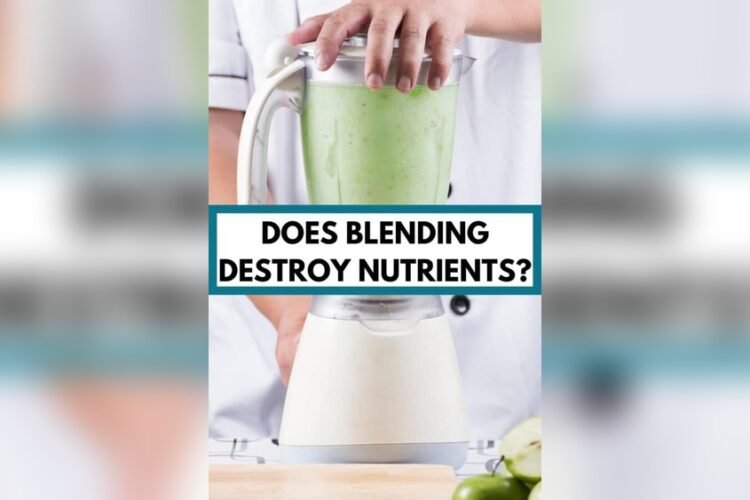
Are you worried that using your blender might be ruining the nutrients in your fruits and veggies? You’re not alone.
Many people wonder if blending breaks down the vitamins and minerals that make healthy eating so important. The good news? Blending doesn’t destroy nutrients—in fact, it can help unlock them, making your body absorb more goodness from your food. But there are some simple tips you should know to get the most out of every smoothie or blended meal you make.
Keep reading, and you’ll discover how blending really affects your food and how to enjoy every nutrient-packed sip!
You May Like
- PROFESSIONAL POWER: 1000 watts of professional power can crush ice and…
- XL CAPACITY: The 72 oz professional blender pitcher is excellent for making…
- INTELLIGENT TECHNOLOGY: Total Crushing Technology delivers unbeatable power…
- ICE CRUSHING: Blast ice into snow in seconds and blend your favorite…

- ALL-IN-ONE KITCHEN SYSTEM: Blend, chop, crush and more in this powerhouse…
- POWERFUL MOTOR:1500-watt motor base to crush ice, blend frozen fruit, and…
- BLENDING TECHNOLOGY: The XL 72-oz.* pitcher, ideal for large batches and…
- FOOD PROCESSING: 8-cup food processing bowl delivers consistent, even…
- 4-Tip QuadPro Blade Technology – The 4-tip stainless steel blending blade…
- 4 Speeds – From smooth blending to powerful ice crushing, the four speed…
- 6-Cup PerfectPour Glass Jar – The thick, sturdy glass jar has a classic…
- Dishwasher-Safe Removable Parts – Cleanup is a breeze with the…

- nutribullet Blender Combo will take your nutrition extraction to the next…
- Three precision speeds, a pulse function and the Extract program offer full…
- Includes: (1) 1200 Watt Motor Base, (1) 64 oz (1.8L) Blender Pitcher with…
- The Easy-Twist Extractor Blade is made of powerful stainless steel and…

- MORE POWERFUL MOTOR: The Ninja Professional Plus Blender with Auto-iQ…
- POWERFUL CRUSHING: Ninja Total Crushing Blades give you perfectly crushed…
- 3 VERSATILE FUNCTIONS: 3 preset Auto-iQ programs allow you to create…
- AUTO-IQ TECHNOLOGY: take the guesswork out of drink making with intelligent…
Nutrient Impact Of Blending
Blending is a popular way to prepare fruits and vegetables quickly. It changes the texture but does it affect the nutrients inside? Understanding how blending impacts vitamins, minerals, fiber, and other factors helps us make better choices. This section explores the nutrient impact of blending in detail.
Effect On Vitamins And Minerals
Blending does not destroy most vitamins and minerals. These nutrients stay stable during the process. Some sensitive vitamins like vitamin C and certain B vitamins may lose a small amount. This loss happens due to exposure to air and light. However, the changes are minor and do not reduce the overall nutrition significantly.
Fiber Retention In Blended Foods
Blending keeps most of the fiber intact. The fiber is just broken down into smaller pieces. This makes it easier to digest. Unlike juicing, which removes fiber, blending retains it fully. Fiber helps with digestion and keeps you full longer. Blended foods still offer the same fiber benefits as whole fruits and vegetables.
Oxidation And Heat Concerns
Blending introduces air into the food, causing some oxidation. Oxidation can reduce nutrient levels over time. To avoid this, consume blended foods soon after making them. Blenders may also create a small amount of heat from the motor. This heat is usually not enough to damage nutrients. Quick blending keeps nutrients safe and fresh.
Benefits Of Blending
Blending offers many benefits for your health and diet. It makes fruits and vegetables easier to consume. Blending also helps you enjoy a variety of nutrients in one quick drink. This method keeps important parts of food intact while improving how your body uses them.
Improved Nutrient Absorption
Blending breaks down food into smaller pieces. This helps your digestive system absorb vitamins and minerals faster. Nutrients like vitamin C and antioxidants become more available after blending. Your body can get more nutrition from the same amount of food.
Maintaining Whole Food Value
Blending preserves the original nutrients in fruits and vegetables. Unlike cooking, it does not use heat that can destroy nutrients. Fresh ingredients keep their vitamins, minerals, and enzymes. This keeps your smoothie healthy and full of natural goodness.
Keeping Dietary Fiber Intact
Blenders do not remove fiber from foods. The fiber stays in the drink, helping digestion and blood sugar control. Fiber also supports heart health and keeps you full longer. This is better than juicing, which removes most fiber from fruits and vegetables.
Common Myths About Blending
Many people worry that blending fruits and vegetables might reduce their nutritional value. These concerns come from common myths that spread easily. Understanding the facts helps us enjoy blended foods without fear. Let’s clear up these misunderstandings about blending and nutrients.
Does Blending Destroy Fiber?
Blending does not destroy fiber. It breaks fiber into smaller pieces. This change makes fiber easier to digest. The total amount of fiber stays the same. Fiber helps with digestion and keeps blood sugar steady. So, blending is a good way to keep fiber in your diet.
Nutrient Loss Compared To Juicing
Juicing removes most of the fiber from fruits and vegetables. This can lead to faster sugar absorption. Blending keeps all the fiber and nutrients. Nutrient loss during blending is very small. The main loss happens if you leave the smoothie out too long. Drinking it fresh keeps most nutrients intact.
Blending And Blood Sugar Levels
Blending can affect blood sugar, but not badly. The fiber in blended foods slows sugar absorption. This helps prevent blood sugar spikes. Drinking smoothies with protein or healthy fats slows absorption more. Blending whole fruits is healthier than drinking fruit juice alone.
Maximizing Nutrient Retention
Maximizing nutrient retention during blending helps keep your smoothies healthy and full of vitamins. Blending can break down cell walls, making nutrients easier to absorb. Yet, some nutrients are sensitive and can degrade with time or heat. Simple steps keep your smoothies fresh and nutritious.
Consume Smoothies Immediately
Drink your smoothie right after blending. Oxygen and light start to break down vitamins quickly. Delay means less vitamin C and other antioxidants. Fresh smoothies offer the most nutrients and best taste.
Avoid Over-blending
Blend just enough to mix ingredients well. Over-blending heats the mixture and may reduce some heat-sensitive nutrients. Short blending preserves vitamins and keeps texture fresh. Stop blending as soon as the smoothie is smooth.
Choosing Blending Over Juicing
Blending keeps all the fiber and nutrients in the drink. Juicing removes fiber and can cause faster nutrient loss. Fiber helps digestion and slows sugar absorption. Blended smoothies provide more balanced nutrition than juices.
Potential Downsides Of Blending
Blending fruits and vegetables offers convenience and quick nutrient intake. Still, some downsides come with this process. These potential drawbacks can affect how your body reacts to blended foods. Understanding them helps you make better choices about your diet.
Reduced Satiety From Blended Foods
Blended foods often feel less filling than whole foods. The chewing process slows eating and signals fullness to the brain. Blending removes this step, causing you to eat faster. This can lead to eating more calories overall.
Rapid Blood Sugar Spikes
Blending breaks down fiber and cell walls in fruits. This speeds up sugar absorption in your bloodstream. Faster sugar spikes can cause energy crashes and hunger soon after. People with blood sugar issues should be cautious.
Heat Generation During Blending
High-speed blenders create friction, which generates heat. This heat may slightly reduce heat-sensitive vitamins like vitamin C. The effect is usually small but worth noting for nutrient-sensitive diets.
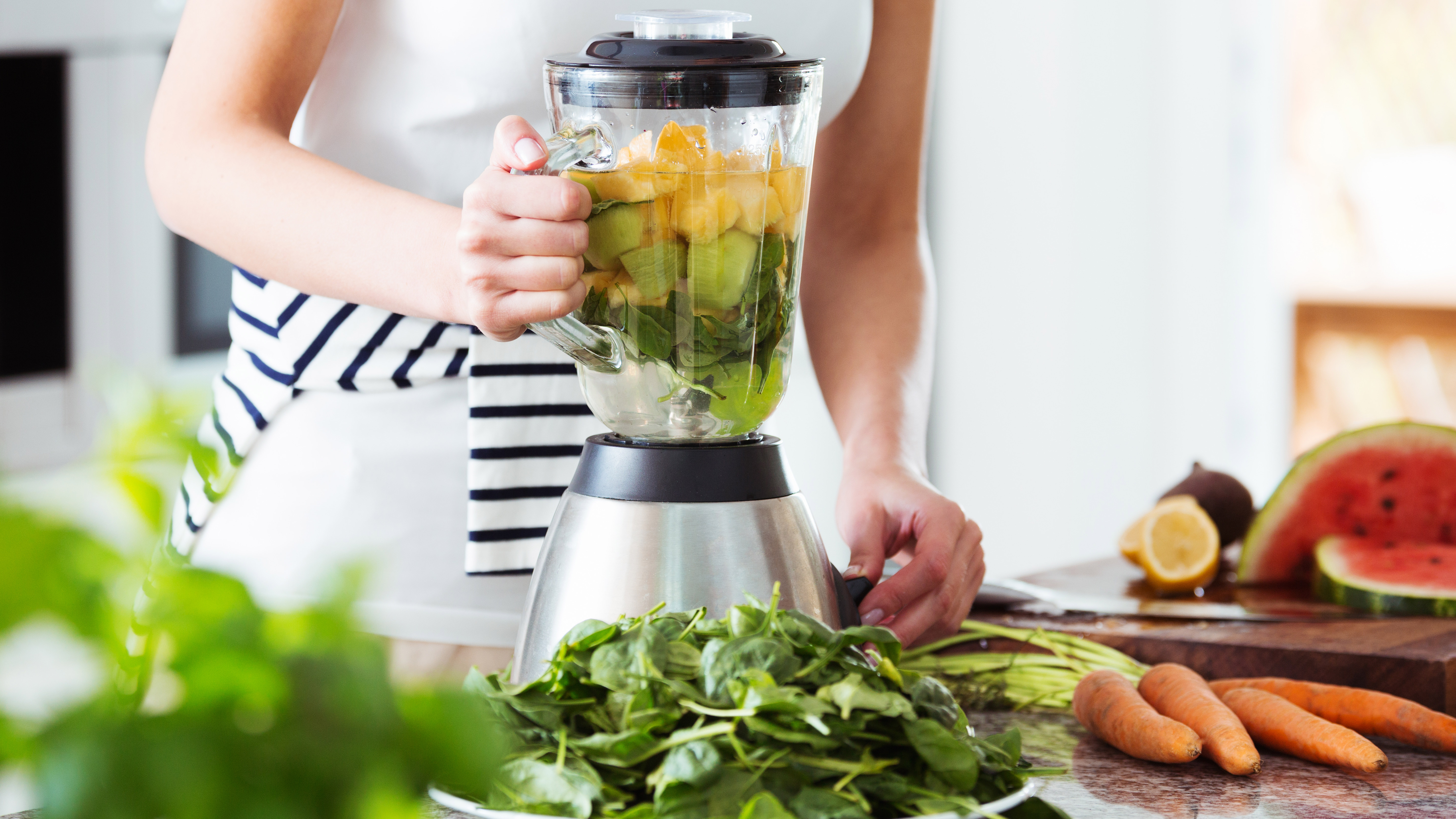
Credit: www.techradar.com
Frequently Asked Questions
Does Blender Destroy Nutrients?
Blending does not destroy nutrients; it breaks down cell walls, making some nutrients more available. Drink smoothies immediately to reduce slight vitamin loss from oxidation. Blending retains fiber, vitamins, and minerals, preserving the food’s nutritional value better than juicing.
How Long Do Nutrients Last After Blending?
Nutrients remain stable for up to 30 minutes after blending. Consume smoothies immediately to minimize vitamin loss from oxidation.
Is Blended Food Still Nutritious?
Blended food remains nutritious, preserving vitamins, minerals, and fiber. Blending breaks down cell walls, improving nutrient absorption. Consume blended food soon after preparation to minimize slight nutrient loss from oxidation.
What Are The Negatives Of Blending Food?
Blending food can reduce satiety by requiring less chewing. It may cause rapid blood sugar spikes if high in sugar. Nutrient loss occurs if smoothies sit too long due to oxidation. Texture changes might affect enjoyment. Overall, blending keeps most nutrients and fiber intact.
Conclusion
Blending does not destroy most nutrients in fruits or vegetables. It breaks down fiber but keeps vitamins and minerals intact. Drinking smoothies soon after blending helps preserve nutrients best. Blended foods digest faster, making nutrient absorption easier. Still, whole foods offer more chewing, which aids fullness.
Balance blended and whole foods for a healthy diet. Enjoy your smoothies without worrying about nutrient loss.